
When Amazon sellers think about sourcing, they’re usually focused on one question: “What should I buy next?”
Sometimes the better question is a different one.
What do I already own?
Thousands of sellers have inventory sitting in Amazon warehouses priced exactly the same as it was weeks ago — even though the market has changed since. If supply has tightened and competition has thinned out, you may already be holding inventory worth more today than when you bought it. The challenge is knowing which products deserve another look.
Why does your inventory keep changing in value?
Many sellers list a product, set a price, and move on. But Amazon is a living marketplace. Every day:
- Sellers sell out
- Competitors leave listings
- Inventory levels change
- Amazon goes in and out of stock
- Customer demand shifts
The product sitting in your FBA inventory today may be trading in a very different market than it was when you first shipped it. That’s why reviewing what you already own can be as valuable as researching what you don’t.
Step 1 — Upload your inventory
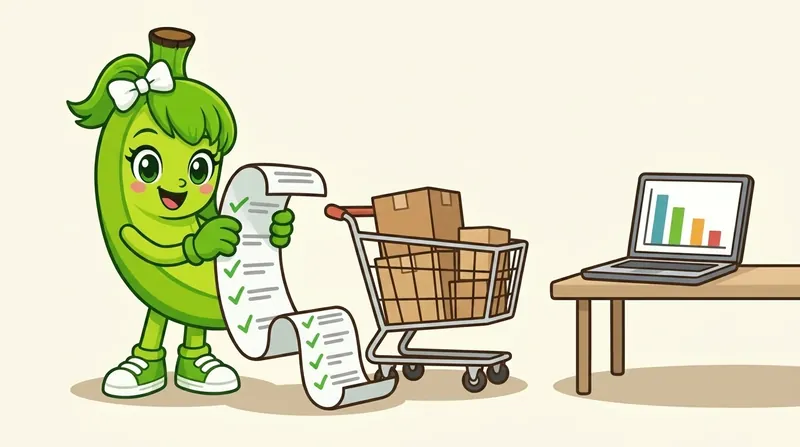
Start by importing your current inventory into Ripe Banana. Instead of treating it as “already sold”, treat it as a portfolio of opportunities: every product deserves to be re-checked against today’s marketplace conditions.
Step 2 — Watch the Days of Cover
One of the most important signals to monitor is Days of Cover — an estimate of how long the inventory currently on the marketplace would last if products keep selling at the present rate.
Step 3 — Look for supply tightening
As inventory drops, you may notice other changes alongside it:
- Fewer sellers remain on the listing
- Amazon temporarily runs out of stock
- Competition becomes less aggressive
None of these guarantees a higher price. Together, though, they suggest the market is becoming more constrained — and for a seller who already holds stock, that’s a reason to reassess pricing.
Step 4 — Review your pricing strategy
When market conditions change, your pricing may need to change with them.
If inventory is becoming scarce while demand stays healthy, you might test higher prices gradually and watch how the market responds. The goal isn’t simply to charge more — it’s to keep your pricing aligned with the current supply-and-demand picture while staying competitive.
Let the ripeness scale do the heavy lifting
Instead of manually reviewing hundreds, or even thousands, of products, Ripe Banana highlights the ones that deserve your attention.

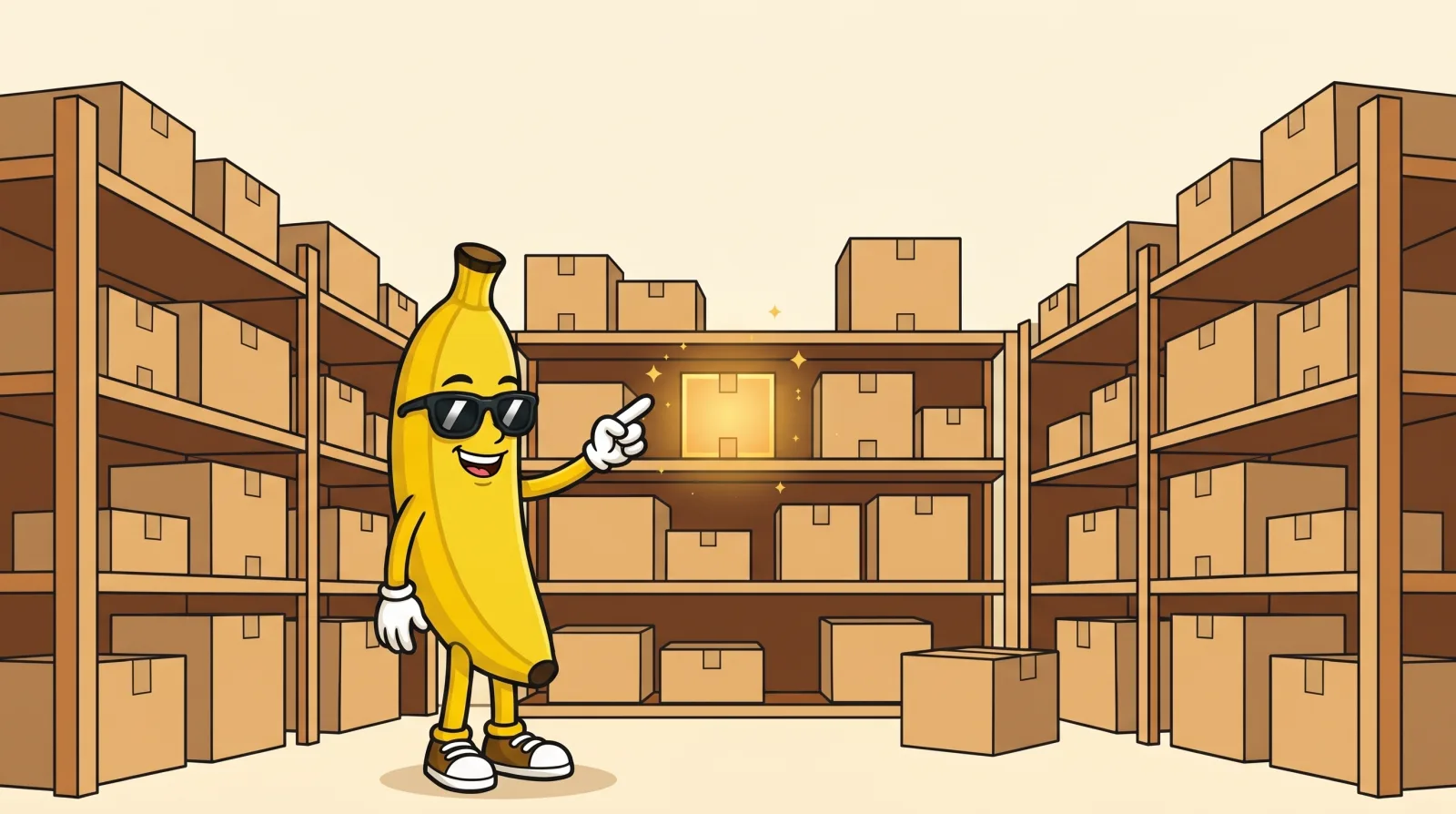
Ripe — worth acting on
Strong profitability alongside tightening inventory. These are the products to review first.
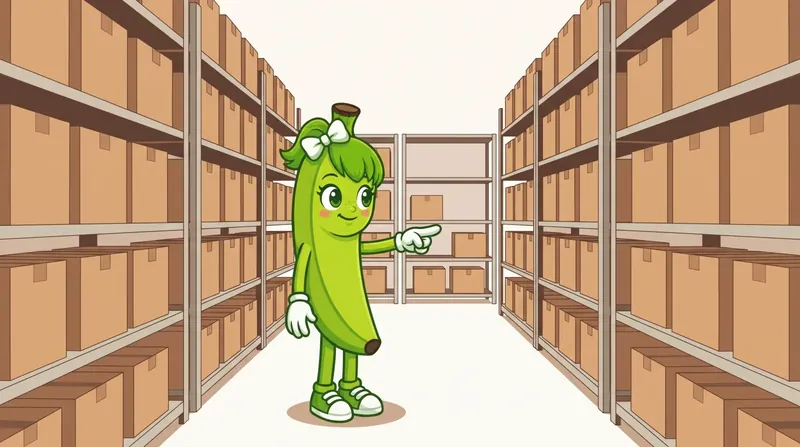
Early — worth watching
Something is moving, but the picture isn’t settled. Keep these on the list as conditions evolve.

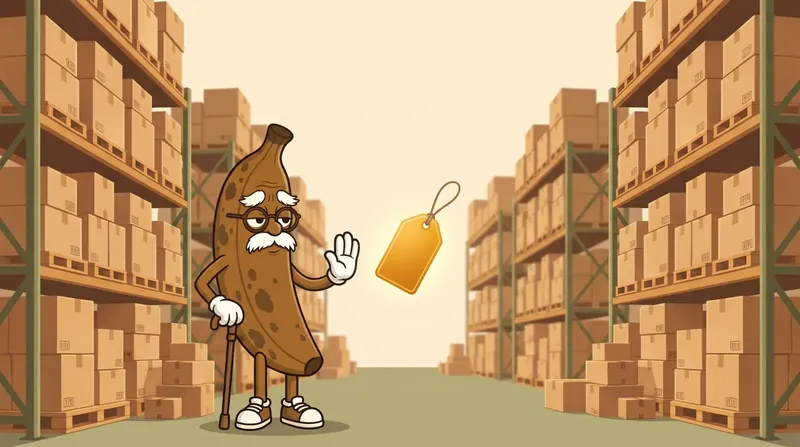
Rotten — nothing to do today
Doesn’t currently meet your buying or pricing criteria. No attention needed right now.
By starting with the ripe and early half of your inventory, you can quickly find the products that may benefit from a closer look.
Don’t just search for the next opportunity
The next great opportunity isn’t always sitting on your supplier’s price list. Sometimes it’s already sitting in an Amazon fulfilment centre with your name on it.
The sellers who consistently outperform the market don’t only buy well. They keep watching the inventory they already own, adapt as conditions change, and make informed pricing decisions as supply and demand move.
That’s the philosophy behind Ripe Banana — uncovering the opportunities you already have, and spotting the ones nobody else has noticed yet.
Can you use this without buying anything new?
Yes. That is the point of the guide: the inventory you already hold can gain value as the market changes. Reviewing it costs nothing, and it can show you when a product is worth repricing or holding for longer.
What if Days of Cover is low on a product you already hold?
Supply across the marketplace may be thinning. That is a reason to review your price, not an instruction to raise it. Look at demand, the number of competing sellers and your Buy Box position before you change anything.
Will raising your price always pay off?
No. A higher price only works when demand holds and few sellers are left to undercut you. Review the signals first, change the price if they support it, and keep watching afterwards.
How often should you review what you already own?
Markets move all the time, so a product you priced once can look different a month later. Reviewing on a regular schedule works better than reviewing when something looks wrong. Tracking does the watching for you and flags the changes.
The same signals work in both directions. When not to buy a product and how to spot products before prices rise describe what to look for before you commit money to a product.