
On many Amazon variation listings, every colour and size shares one sales rank. A variation that almost never sells can inherit the rank of the family, and a sales estimate built on that rank will say it is busy.
If you buy inventory on that number, you can end up with a dead colour and a full shelf. This guide explains how the trap works, shows a real example and gives you a short routine to check a single variation before you order.
Key takeaways
- Variations in one family can share a single sales rank, so the rank describes the family, not one child.
- A sales estimate for a child that uses the family rank can be far too high.
- Flat stock and a steady buy box holder on one variation are strong clues that it is not selling.
- Estimating a child’s share from reviews is rough but better than an even split.
- Check the exact variation you plan to buy, not the family.
How do variations share a sales rank?
A variation family is one listing with several choices: colours, sizes, flavours. Each choice has its own ASIN, but in many cases they carry one best sellers rank for the whole family. Tool vendors describe this, and Amazon’s own help pages say the treatment can differ by store, with some stores rolling child sales up to the parent and others ranking children separately. Check how the listing you are looking at behaves.
When the rank is shared, a family with a few strong sellers can make every child look strong. Chart tools show the rank Amazon publishes, so when that rank is the family’s, a chart will not tell you which child produced the sales.
What does the trap look like in real life?
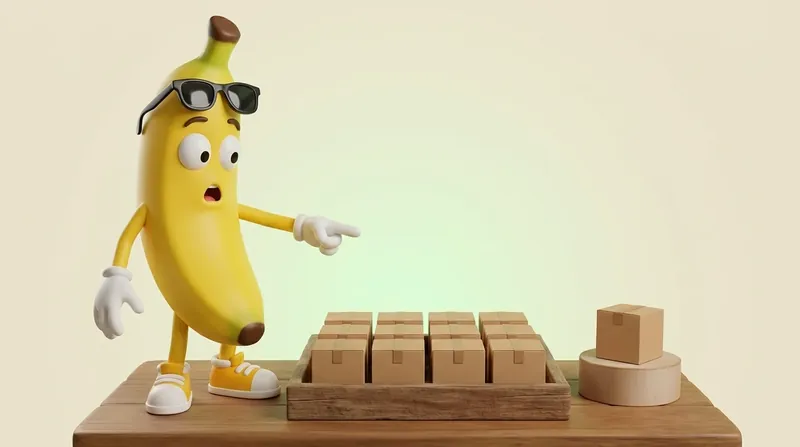
We found a clear example while building RipeBanana. A pet storage product showed a sales rank of about 42,000 in its category, which a rank-based estimate converts to roughly 95 sales a month. The listing had about 6 colours and 7 sizes, more than 20 variations in all.
But the specific colour and size we were looking at told a different story. Two sellers held 15 and 5 units, 20 in total. For two weeks those numbers did not move. We checked both by hand and the counts were real. The rank went up and down in a sawtooth pattern, which is what sales look like, but the stock on this variation never changed. The rank belonged to the family. This child was close to dead.
What gave it away
Flat stock
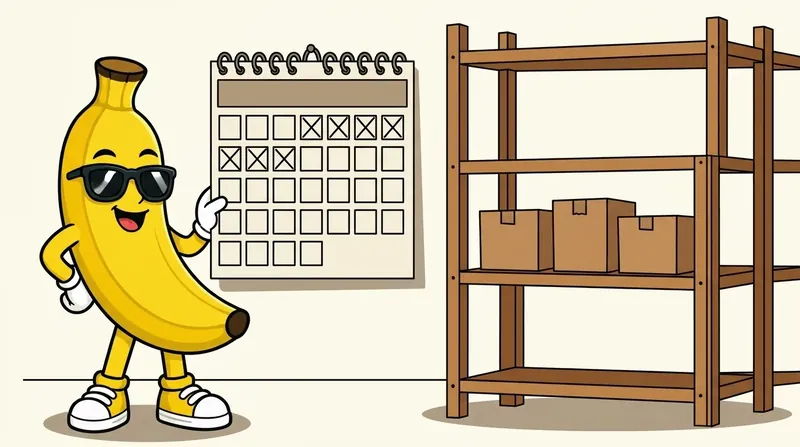
Total stock stayed at 20 for two weeks while the rank swung between about 36,000 and 46,000.
A steady buy box holder
The same seller held the buy box throughout. A product that sells moves the buy box and the stock.
Many siblings
More than 20 variations shared the rank, so any one of them could have been making the sales.
How do you estimate one variation’s share of sales?
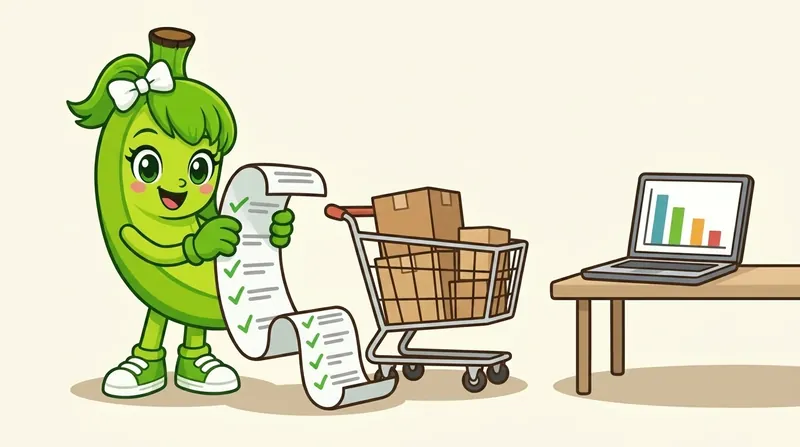
You cannot get an exact figure from public data, but you can get a rough one. The usual method is to split the family’s estimated sales using each child’s share of reviews or of the “bought in the past month” figures, where shown. Tool vendors use review share for the same reason.
A rough split by reviews
Child sales ≈ family sales × child’s share of reviews
- Family sales estimate
- 95 a month
- Family reviews
- 6,765
- Child’s share of reviews
- 40%
- Child sales estimate
- about 38 a month
Treat the result as a guide. Reviews lag sales and favour older variations.
Do not divide the family number evenly across the children. Families are lopsided: one or two variations usually carry most of the sales. An even split overstates the weak ones and understates the strong ones.
What should you check before buying one variation?
A routine for one child
Count the family
Open the variation menu. More variations mean a bigger chance that your child is a minor one.
Check the stock trend
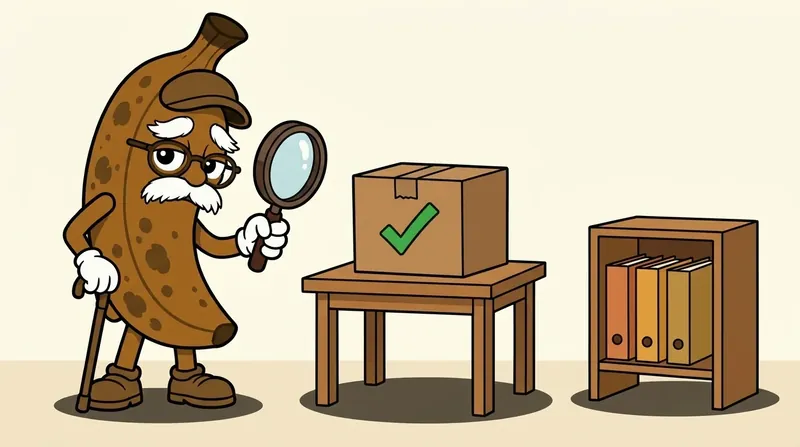
Is stock on this exact variation moving? Flat stock for weeks with a good-looking rank is a warning.
Watch the buy box
A buy box that never changes hands can mean few sales.
Compare with siblings
If a sibling is clearly the bestseller, assume it is carrying the rank.
Use a smaller first order
If you still want it, buy a small quantity and let real sales answer.
How does RipeBanana handle variations?
RipeBanana reads the variation family from Amazon’s catalog data. When a product belongs to a family, it shows a “Variation family” flag. Where it can estimate the child’s share, it shows the family total next to the estimate for that variation, with a confidence label.
Where it falls short: the split is an estimate, and Amazon’s data does not give each child’s true sales. A low-confidence label means check the stock trend and the siblings yourself before you buy.
Do all Amazon variations share one sales rank?
Not always. Treatment can differ by store and by category. Check the rank shown on the specific ASIN and compare it with a sibling. If both show the same rank, assume it is shared.
Is the parent rank useless?
No. It tells you how well the family sells as a whole. It does not tell you how well one child sells.
Why do chart tools show the same rank for every child?
Chart tools show the rank Amazon publishes. When Amazon publishes the family rank, every child shows it. Treat any child-level sales number as a modelled estimate, not an Amazon figure.