
Ask a new Amazon seller what they look for before buying a product and you’ll usually hear the same answers: ROI, profit, sales rank, price history.
Ask a million-dollar wholesale seller, and you’ll often hear something different: “How many days of inventory are left?”
That’s because experienced sellers know one simple truth.
Prices don’t move on their own. Inventory moves prices.
It’s also why we built Ripe Banana around a metric called Days of Cover.
What is Days of Cover?
Days of Cover is our estimate of how long the inventory currently available on Amazon will last if the product keeps selling at its current rate.
If a product sells 20 units a day and there are only 200 units left across all sellers, there are roughly ten days of inventory remaining. If sales continue at that pace and no new stock arrives, Amazon runs out in ten days.
That’s usually when interesting things start to happen.
How do you calculate it?
Days of Cover = Total available inventory ÷ Estimated daily sales
- Total inventory
- 300 units
- Estimated daily sales
- 20 units
- Days of Cover
- 15
The stock on the marketplace today would last about fifteen days if selling continued at the same pace.
Why wholesalers pay attention
Most sellers spend hours looking at price charts. Experienced wholesale sellers spend just as much time watching inventory levels — because inventory shortages usually happen before prices increase.
As inventory disappears, fewer sellers stay in stock and competition shrinks. If demand holds up, prices frequently rise as supply gets tighter.
By the time everyone notices the higher price, the best buying window has often already closed.
The sellers who benefit are usually the ones who spotted the shortage weeks earlier.
Why under 15 days deserves a second look
There’s no magic number that guarantees anything. But we’ve found that products with less than fifteen Days of Cover are worth opening.
How to read Days of Cover
Low cover on its own doesn’t make a product a good buy. Combined with healthy demand and strong ROI, it says the market is tightening — and that today’s buy could be tomorrow’s profitable sale.
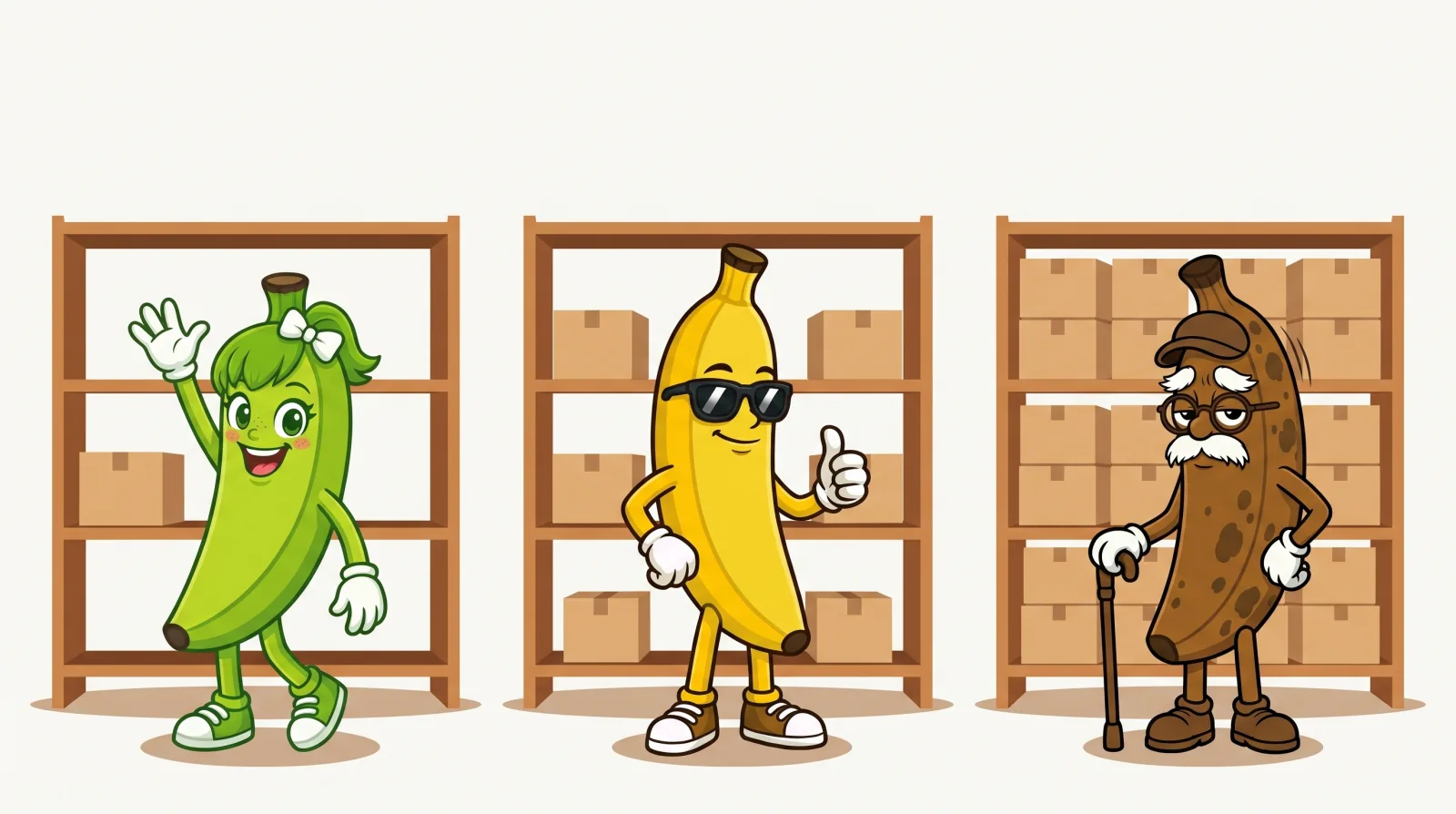
The ripeness scale
Rather than making you weigh a dozen metrics for every product, Ripe Banana turns the data into one of three answers.

Buy
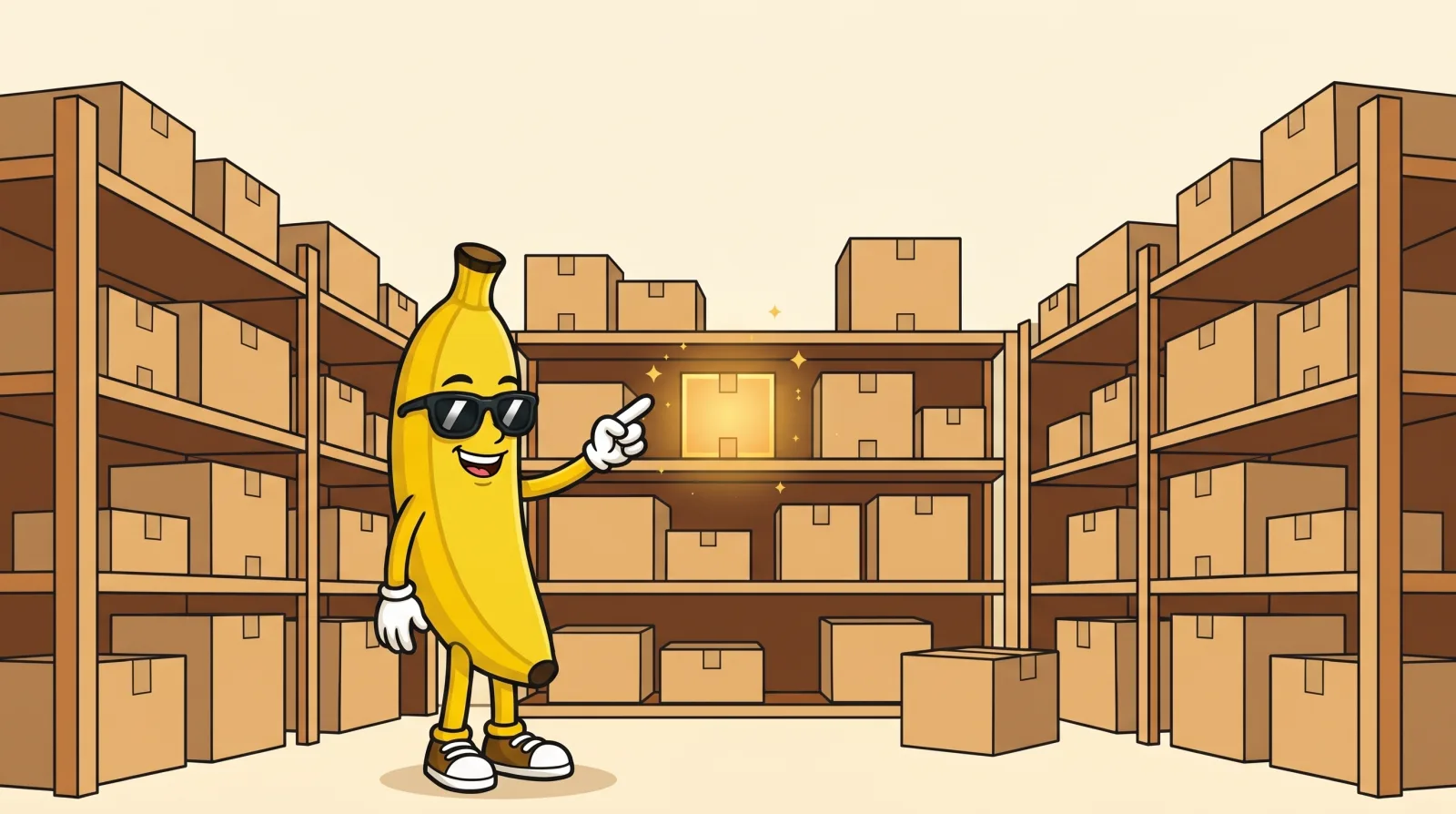
Strong profitability and low inventory. These deserve your attention today, because they still have time to ripen while your stock makes its way to Amazon.
Watch
Moving in the right direction. Inventory may be tightening, ROI may be improving, or both — worth a place on your watchlist, because these are the ones that turn into buys.

Pass, for now
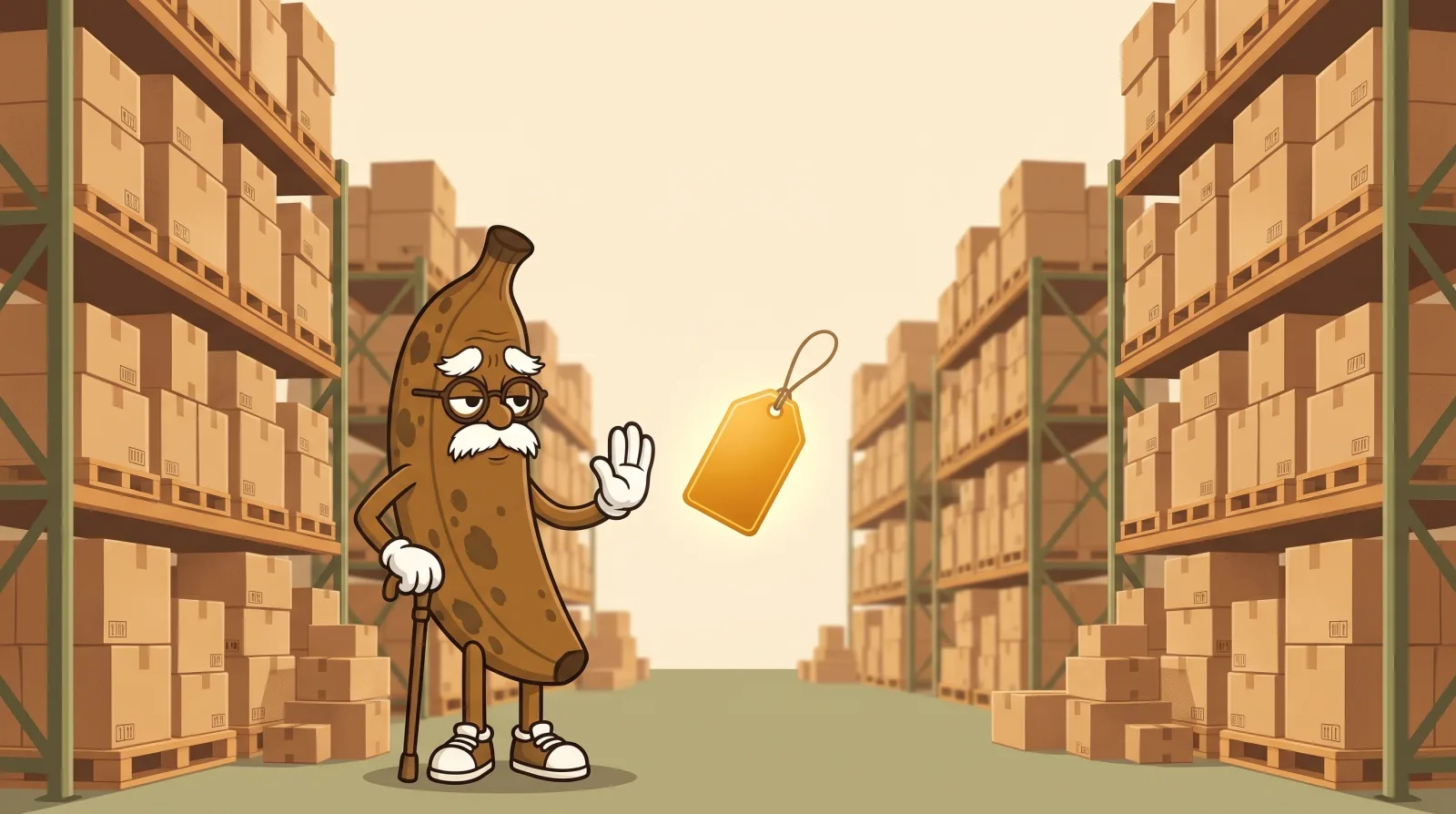
Doesn’t meet your buying criteria today. That doesn’t make it a bad product — markets change constantly, and today’s pass can become tomorrow’s watch.
Why a banana?
Think about buying bananas at the grocery store. You don’t buy the perfectly ripe one if you’re not eating it until next week. You buy it green, knowing it’ll be ready when you need it.
Amazon inventory works much the same way. The best sourcing opportunities rarely look perfect today — they need time to mature while you buy, prep, ship and wait for the units to go live.